Introduction to Shylhet Division
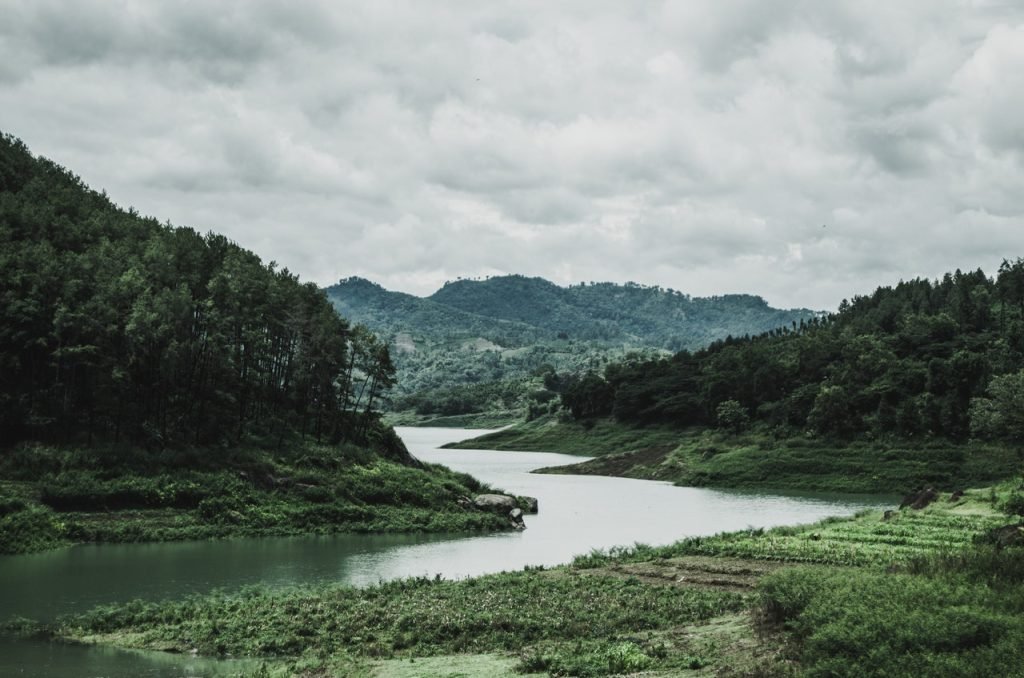
The Shylhet Division, located in the northeastern region of Bangladesh, is a remarkable area characterized by its stunning landscapes, cultural diversity, and historical richness. This division is bordered by India to the east and south and encompasses a variety of districts, with Sylhet, Moulvibazar, Habiganj, and Sunamganj being the primary ones. Renowned for its lush tea gardens, rolling hills, and vibrant rivers, Shylhet holds a significant place not only in the heart of the people of Bangladesh but also in its geographical identity.
Shylhet Division is recognized for its rich cultural heritage, influenced by various ethnic groups and communities over the centuries. The region is home to a mix of Bengali and indigenous cultures, each contributing to its unique identity. This cultural tapestry is evident in the local traditions, festivals, music, and cuisine, making it a vibrant region that attracts tourists and researchers alike. Moreover, Shylhet has been a pivotal area in the history of many social and political movements in Bangladesh, further underscoring its importance.
Nature enthusiasts will find Shylhet Division particularly appealing due to its breathtaking landscapes which include picturesque hill tracts, dense forests, and sparkling waterfalls. Among its natural wonders are the Sreemangal tea estates, the lush green hills of Ratargul Swamp Forest, and the serene beauty of Jaflong, where turquoise waters meet lush greenery. The climate in Shylhet is also distinct, marked by heavy rainfall and a cool atmosphere, making it a perfect getaway for those seeking solace in nature.
Overall, Shylhet Division stands out for its combination of natural beauty and rich cultural significance. As we delve deeper into the attractions of this enchanting division, it becomes clear why it holds such a revered place in the landscape of Bangladesh.
Cultural Heritage of Shylhet
The Sylhet Division of Bangladesh is a region renowned for its rich cultural heritage, shaped by a blend of various ethnic communities, languages, and religions. Its vibrant cultural tapestry reflects influences from Bengali, Khasi, Manipuri, and Marma communities, among others. This convergence of traditions makes Sylhet a unique destination where cultural expressions flourish.
Traditional music is a cornerstone of Sylheti culture. The region is famous for its folk songs, such as ‘Baul’ and ‘Panja,’ which often convey themes of love, spirituality, and the beauty of nature. Instruments like the ‘dotara’ and ‘harmonium’ are commonly used in performances, particularly during festivals and social gatherings. These musical traditions not only entertain but also serve as a vital means of storytelling, allowing generations to share their history and values.
The dance forms of Sylhet complement its musical traditions. Folk dances often accompany community celebrations, where the rhythm and movement of performers captivate onlookers. Dance provides an opportunity for community bonding, as it encourages participation and fosters a sense of unity among diverse groups. Festivals, such as the ‘Boshonto Utsob,’ herald the arrival of spring and involve colorful processions, music, and dance. These celebrations showcase the exuberance and creativity inherent in Sylheti culture.
Cuisine in Sylhet also plays a pivotal role in its cultural identity. The use of unique spices and cooking techniques has led to a distinct culinary style that reflects the region’s agricultural abundance. Dishes such as ‘panta bhat’ (fermented rice) and ‘shatkora,’ a citrus fruit, highlight the connection between local ingredients and traditional cooking methods. Food in Sylhet is not just sustenance; it is a medium through which heritage is preserved and shared.
Through a myriad of cultural expressions, the heritage of Sylhet Division symbolizes the collective identity of its diverse communities. Festivals, music, dance, and cuisine encapsulate the essence of life in Sylhet, inviting visitors to immerse themselves in its enchanting cultural landscape.
Natural Wonders in Shylhet
The Shylhet Division is renowned for its breathtaking natural beauty, characterized by lush tea gardens, rolling hills, and captivating waterfalls. The region’s diverse landscape offers a variety of ecotourism opportunities, drawing visitors from around the globe. Among its many attractions, the teahouses nestled amidst verdant hills stand as a testament to the area’s rich agricultural heritage, where the cultivation of tea dates back centuries. These tea estates not only produce some of the finest teas in the world but also create picturesque vistas that are a feast for the eyes.
One of the standout natural attractions in Shylhet is the Ratargul Swamp Forest. This freshwater swamp forest is unique, serving as a crucial habitat for various species of flora and fauna, which thrive in its rich ecosystem. Visitors to Ratargul can experience serene boat rides through the mangrove-like waters, particularly during the monsoon season when the forest is submerged, creating an ethereal atmosphere. The dense canopy overhead and the vibrant hues of the leaves provide an exceptional visual experience, making it a favored spot for nature lovers and photographers.
Another remarkable destination is Jaflong, a border area between Bangladesh and India. This region is distinguished by its stunning landscapes formed by hills, rivers, and stone quarries. The Dawki River, known for its crystal-clear waters, is a natural wonder that offers opportunities for boating, swimming, and local fishing. The hills surrounding Jaflong present an ideal opportunity for trekking and exploring the tranquility of nature. The breathtaking views and vibrant local culture contribute significantly to the allure of this part of Shylhet.
In addition to these highlights, the waterfalls scattered across Shylhet, such as the enchanting Sangu and Jangli waterfalls, further enrich the natural offerings of the division. Each waterfall, with its unique charm, provides not just a chance for adventure but also a space for reflection amidst the serene backdrop of nature. The combination of these natural wonders makes Shylhet a true paradise for those seeking to experience the beauty of the earth’s landscapes.
Popular Tourist Attractions
The Sylhet Division, renowned for its breathtaking landscapes and rich cultural heritage, is home to numerous tourist attractions that appeal to both local and international travelers. Among the most significant sites are the ancient temples, bustling markets, and picturesque viewpoints that embody the region’s allure. Each attraction offers a unique glimpse into the history and lifestyle of the area, inviting exploration and appreciation.
One of the must-visit locations is the ancient temple complex of Jaflong. Nestled along the Dawki River, it is not only a spiritual haven but also a site of historical significance. Jaflong can be easily accessed from Sylhet city, with various local transportation options available. Visitors often engage in river rafting and enjoy the serene ambiance, making it a holistic experience combining both spirituality and adventure.
Another notable attraction is the Ratargul Swamp Forest, a freshwater swamp forest that showcases the natural beauty of Sylhet. The site features a network of canals and lush vegetation, with opportunities for boat rides and bird watching. Accessible from the city of Sylhet, the forest offers an ideal retreat for nature enthusiasts and photographers alike, making it an essential part of the Sylhet experience.
In addition to natural sites, the vibrant bazaars of Sylhet, such as the Shahi Eidgah and Dargah Hazrat Shah Jalal, present a lively atmosphere where visitors can immerse themselves in local culture. Here, one can explore handicrafts, sample traditional cuisine, and engage with friendly locals. These markets are conveniently located near major tourist spots, making them an essential stop for those wishing to grasp the region’s cultural essence.
For a panoramic view, the tea gardens around Srimangal offer stunning landscapes and a sense of tranquility. Accessible by public transport, the gardens allow visitors to take guided tours and learn about the tea production process. Exploring these attractions not only enhances the understanding of Sylhet’s rich heritage but also provides significant opportunities for relaxation and adventure.
Adventure Activities in Shylhet
Shylhet Division, known for its stunning landscapes and rich cultural heritage, offers a plethora of adventure activities that appeal to thrill-seekers and nature enthusiasts alike. From trekking through lush green hills to river rafting across sparkling streams, the region presents an unrivaled experience for those looking to immerse themselves in both adventure and natural beauty.
Trekking is one of the most popular adventure activities in Shylhet, with trails that lead through breathtaking tea gardens and dense forests. The Jaflong area, in particular, is a favorable trekking destination, where trekkers can enjoy picturesque views of the hills and the Dawki River. When preparing for a trek, it is advisable to wear comfortable hiking shoes, pack sufficient water and snacks, and consider hiring a local guide who can enhance the experience with insights into the local flora and fauna.
Additionally, river rafting in Shylhet offers an exciting way to explore the region’s waterways. The Sangu and Dawki rivers provide thrilling rafting experiences, along with stunning scenery. It is essential for adventurers to assess their skill level and choose appropriate rafting tours, as some stretches can be quite challenging. Safety gear, including helmets and life jackets, is usually provided by reputable tour operators, which adds to the protection and enjoyment of the activity.
Exploring the remote villages of Shylhet is another activity that caters to adventure seekers. Villages like Ratargul and Zaflong not only showcase the stunning natural beauty of the region but also offer opportunities to interact with local cultures. Visitors can partake in activities such as traditional fishing, local cooking classes, or guided nature walks. Engaging with locals provides insights into the unique heritage of Shylhet, making the journey even more rewarding.
In conclusion, Shylhet Division is a haven for adventure tourism, offering a variety of engaging activities that allow travelers to connect with nature and local culture. With the right preparation and a spirit of adventure, visitors to Shylhet can create unforgettable memories amidst its enchanting landscape.
Local Cuisine and Dining Experiences
Shylhet Division, renowned for its stunning landscapes and vibrant culture, also boasts a rich culinary scene that reflects its history and diversity. The local cuisine is heavily influenced by the region’s agricultural bounty, with rice, fish, and vegetables forming the staple of many traditional dishes. One of the most celebrated local dishes is Panta Bhat, a fermented rice dish typically served with fried fish, potatoes, and green chili, which showcases the unique method of food preservation and distinct flavors of the area.
Street food in Shylhet is an adventure in itself. Popular snacks include Chotpoti, a spicy, tangy mixture of peas and potatoes topped with chopped boiled eggs, and Jhalmuri, a puffy rice dish tossed with mustard oil, onions, and chilies. These quick bites are not only delicious but also provide a glimpse into the local culinary culture. Vendors spread throughout the streets, especially near busy markets, offer these mouthwatering treats, attracting both locals and tourists alike.
For those seeking unique dining experiences, several restaurants in Shylhet emphasize traditional cooking methods and local ingredients. The restaurant “Panshi” is highly recommended for its authentic Sylheti dishes, where each meal is prepared using age-old recipes that have been passed down through generations. Another noteworthy establishment is “Shahi Biryani,” known for its aromatic biryani dishes, which blend rich spices with tender meats, often served during special occasions.
When visiting Shylhet, sampling the local cuisine is essential for an immersive experience. Each dish tells a story of the region’s cultural heritage and invites guests to indulge in the communal aspects of dining. From bustling street vendors to cozy family-run eateries, Shylhet offers a plethora of culinary delights that cater to diverse palates, ensuring that travelers leave with unforgettable flavors lingering in their memories.
Accommodation Options in Shylhet
Shylhet Division, renowned for its lush landscapes and rich cultural heritage, offers a diverse range of accommodation options catering to various traveler preferences and budgets. From luxurious hotels to cozy guesthouses and authentic homestays, visitors can find a suitable place to rest after a day of exploration.
For those seeking a lavish experience, Shylhet boasts several high-end hotels equipped with modern amenities. Establishments such as the Jatra Flagship Hotel and Hotel Grand Sultan provide not only comfortable accommodations but also stunning views of the surrounding hills and rivers. These hotels often feature on-site dining, fitness centers, and pools, creating a relaxing atmosphere for guests. Booking in advance is advisable, particularly during peak tourist seasons, to secure the best rates and preferences.
Travelers on a budget will find a plethora of guesthouses and hostels that offer affordable, yet comfortable stays. Areas such as Jaintiapur and Sylhet Sadar are home to numerous budget-friendly options, which can be easily booked through various online platforms. Guesthouses often facilitate a warm, homely environment and provide insights into local attractions. Those opting for homestays experience the unique opportunity to immerse themselves in the culture and daily life of the hosts, enjoying home-cooked meals and personalized tours of nearby sights.
In terms of neighborhoods, staying in the heart of Sylhet city is ideal for easy access to shops, restaurants, and cultural landmarks. Alternatively, the tranquil setting of the tea gardens in Srimangal or the scenic beauty of Ratargul Swamp can offer serene escapes for those wishing to reconnect with nature. Each option presents unique experiences, making it crucial for travelers to evaluate their preferences carefully before making a booking.
In conclusion, Shylhet Division presents a variety of accommodation options, ensuring each visitor can find a place that meets their needs while enhancing their journey through this enchanting region.
Travel Tips for Visiting Shylhet
When planning a trip to the beautiful Shylhet Division, it is crucial to consider several factors to enhance your travel experience. The best time to visit Shylhet is during the cooler months between October and March, when the weather is pleasant and the lush landscapes are at their most vibrant. This period provides an excellent backdrop for exploring the region’s natural beauty and cultural heritage.
Getting around Shylhet can be a delightful experience, with various transportation options available. Buses and microbuses are the most common forms of public transport, connecting major towns and attractions. For more flexibility, hiring a car or using ride-sharing apps can facilitate easier navigation, particularly for reaching remote areas. Moreover, local taxis are readily available, but it is advisable to agree on a fare before the journey commences. For a truly immersive experience, consider using bicycles or motorbikes for some segments of your travels, allowing you to enjoy the stunning scenery at a leisurely pace.
Understanding local customs and etiquette is vital when visiting Shylhet. Respecting traditional practices and communication styles enhances cultural exchange. For instance, it is customary to greet locals with a smile and a polite ‘As-salamu alaykum,’ which signifies respect. Dress modestly, particularly when visiting religious sites, to honor local customs. Additionally, it is appreciated when visitors remove their shoes before entering homes or mosques.
Being mindful of these travel tips will not only allow you to navigate Shylhet effectively but also promote meaningful interactions with its warm and hospitable residents. Embrace the unique cultural tapestry and natural wonders awaiting you in this enchanting division of Bangladesh.
Conclusion: The Allure of Shylhet Division
Shylhet Division stands as a testament to the unique fusion of culture and nature that characterizes this enchanting region of Bangladesh. Throughout this exploration, we have traversed the verdant tea gardens that paint the landscape in shades of green, and marveled at the majestic waterfalls cascading into serene pools. Each natural wonder not only enhances the scenic beauty of Shylhet but also serves as a backdrop to its rich cultural tapestry.
Moreover, the cultural heritage of Shylhet is equally compelling, with its vibrant traditions, distinct cuisine, and hospitable locals welcoming visitors. The region is home to a diversity of ethnic communities, each contributing to the cultural richness through their customs, folklore, and festivals. Such cultural interactions create a welcoming atmosphere, inviting travelers to partake in local experiences that deepen their understanding of this distinct area.
In addition to the natural landscapes and cultural depth, Shylhet’s religious significance cannot be overlooked. The presence of various historical mosques, temples, and shrines reflect the spiritual resource that draws pilgrims and tourists alike, underscoring the region’s importance as a hub of convergence for different faiths and beliefs.
As we conclude this journey through Shylhet Division, it is clear that this region offers much more than picturesque views—it presents a rich blend of history, spirituality, and natural beauty. Shylhet is not just a travel destination; it is a place that embodies the spirit of Bangladesh, showcasing its resilience and warmth. We invite you to immerse yourself in the charm of Shylhet Division, where every corner reveals stories waiting to be discovered, making your travel experience memorable and enlightening.